Fractions
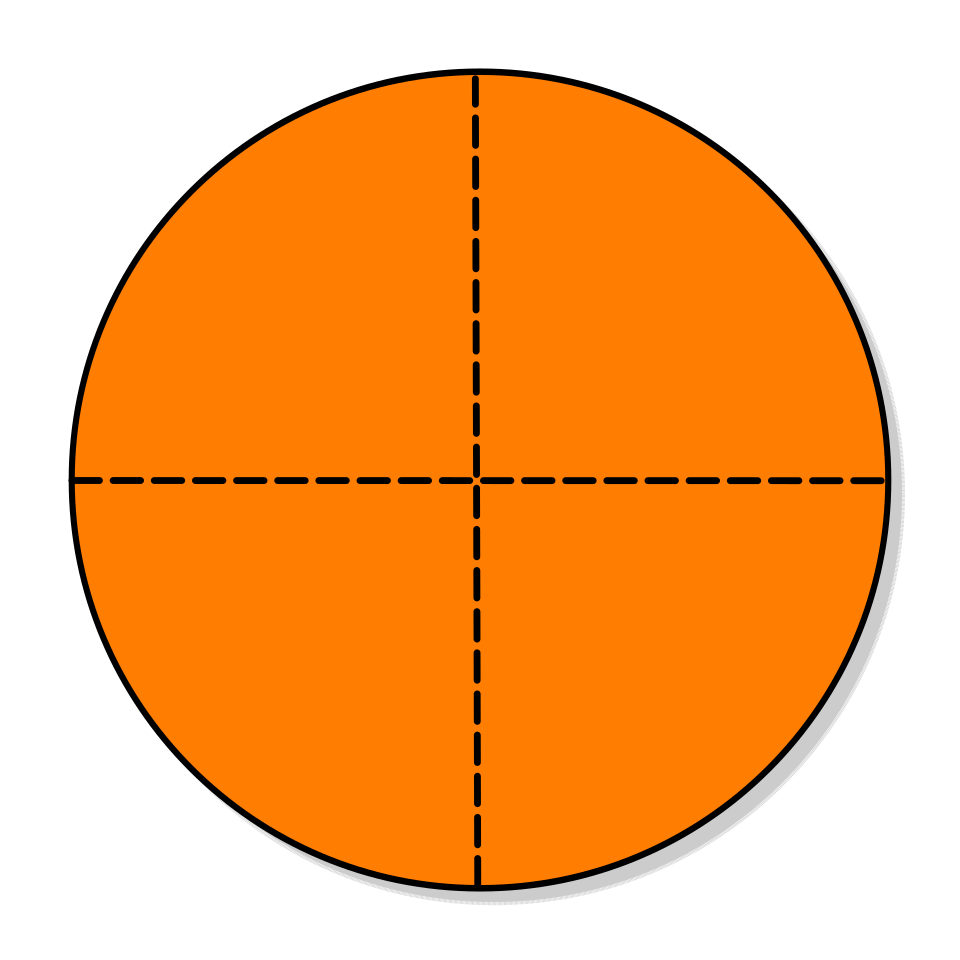
Fractions
A common fraction a/b (where b ≠ 0) represents parts of a whole. Equivalent fractions represent the same value: a/b = (a·k)/(b·k) for k ≠ 0. Reducing a fraction means dividing numerator and denominator by their greatest common divisor (GCD). For example, 18/24 = (18÷6)/(24÷6) = 3/4.
Decimal Fractions
Decimal fractions use place values: 0.75 = 75/100 = 3/4. To compare decimal fractions, align decimal points and compare digit by digit. A terminating decimal is a fraction with denominator a power of 10; a repeating decimal like 0.3̄ = 3/9 = 1/3. The general rule: 0.ᾱ = a/9, 0.āb̄ = (10a + b)/99.
Addition and Subtraction of Fractions
To add or subtract fractions, find the least common denominator (LCD) — the LCM of the denominators. For example: 1/6 + 3/8: LCM(6,8) = 24, so 1/6 + 3/8 = 4/24 + 9/24 = 13/24.
Multiplication and Division
To multiply: (a/b)·(c/d) = (ac)/(bd). To divide: (a/b) ÷ (c/d) = (ad)/(bc), where c ≠ 0.
Converting Fractions to Common Denominators
Converting fractions to a common denominator allows us to compare and add fractions with different denominators. For example: 9/12 ? 15/20. Reduce first: 9/12 = 3/4 and 15/20 = 3/4, so 9/12 = 15/20.